 how-to
How to Ensure Fresh Restaurant Quality Takeaway
Table of Contents
- What Makes Restaurant Quality Takeaway Different
- How to Keep Takeaway Food Hot During Transport
- How to Stop Takeaway Food Going Soggy
- Takeaway Food Safety and Storage at Home
- How to Reheat Takeaway Food Without Losing Quality
- Choosing a Takeaway That Prioritises Freshness
- Common Mistakes That Ruin Takeaway Quality
- Frequently Asked Questions
Last Updated: October 19, 2026
What Makes Restaurant Quality Takeaway Different
The difference between average takeaway and restaurant-quality takeaway comes down to three things: how fresh the ingredients are, how carefully it's prepared, and how well it travels home.
Restaurant kitchens use the same techniques whether you eat there or take the food away. The problem is that takeaway food faces challenges a diner at a table doesn't. It sits in a container. It travels in a bag. It waits before you eat it. Each step risks losing heat, gaining moisture, or letting flavours fade.
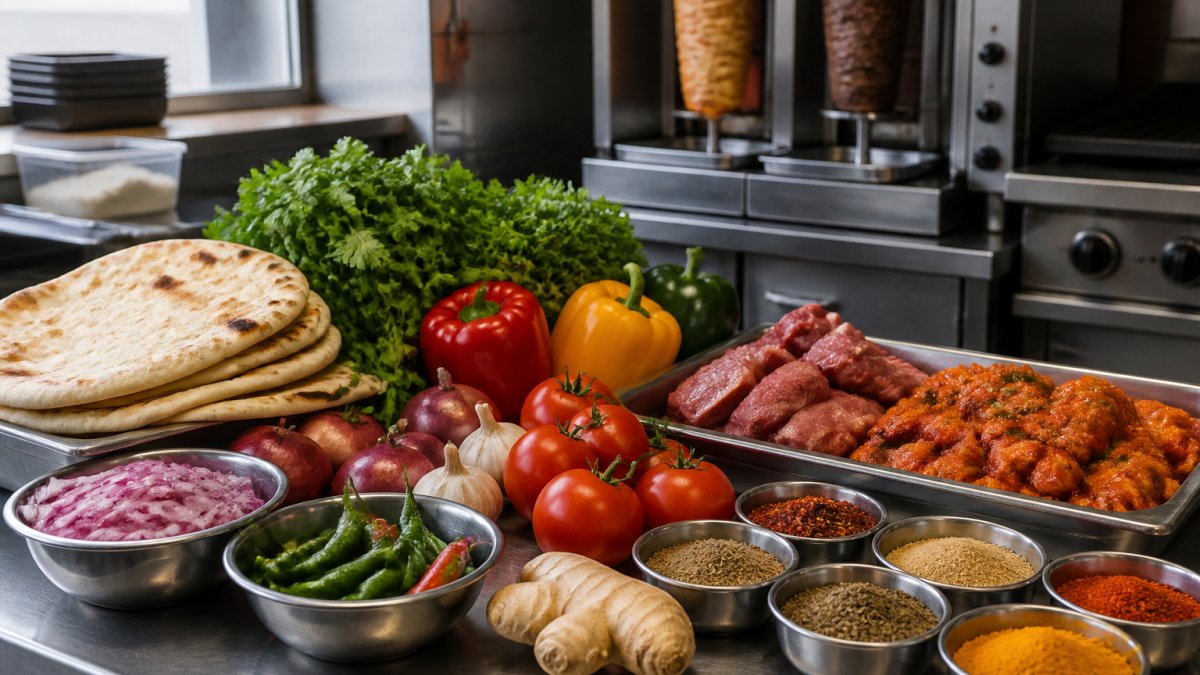
At Azaad Invergowrie Takeaway, we focus on these exact challenges when preparing your order. Fresh pizza dough made daily, real flame-grilled kebabs on Greek flatbread, and chicken tikka marinated in an in-house spice blend all start with quality ingredients. But the real difference is what happens next: we pack and time everything so it arrives at your door tasting like it just left the kitchen.
The key insight most takeaways miss is that fresh restaurant quality takeaway isn't just about what you order. It's about how it's handled from kitchen to your table.
How to Keep Takeaway Food Hot During Transport
Takeaway food loses heat fast. A meal that leaves the kitchen at 75°C can drop to 55°C in 15 minutes without proper insulation.
The solution is simple: use insulated packaging and minimise time between cooking and eating.
Practical steps to keep food hot:
- Ask the takeaway to pack hot items separately from cold items
- Request your order be wrapped in foil first, then placed in an insulated bag
- Keep the bag sealed during transport, opening it lets heat escape
- Eat within 20 minutes of arrival if possible
- If you're collecting rather than having it delivered, go straight home
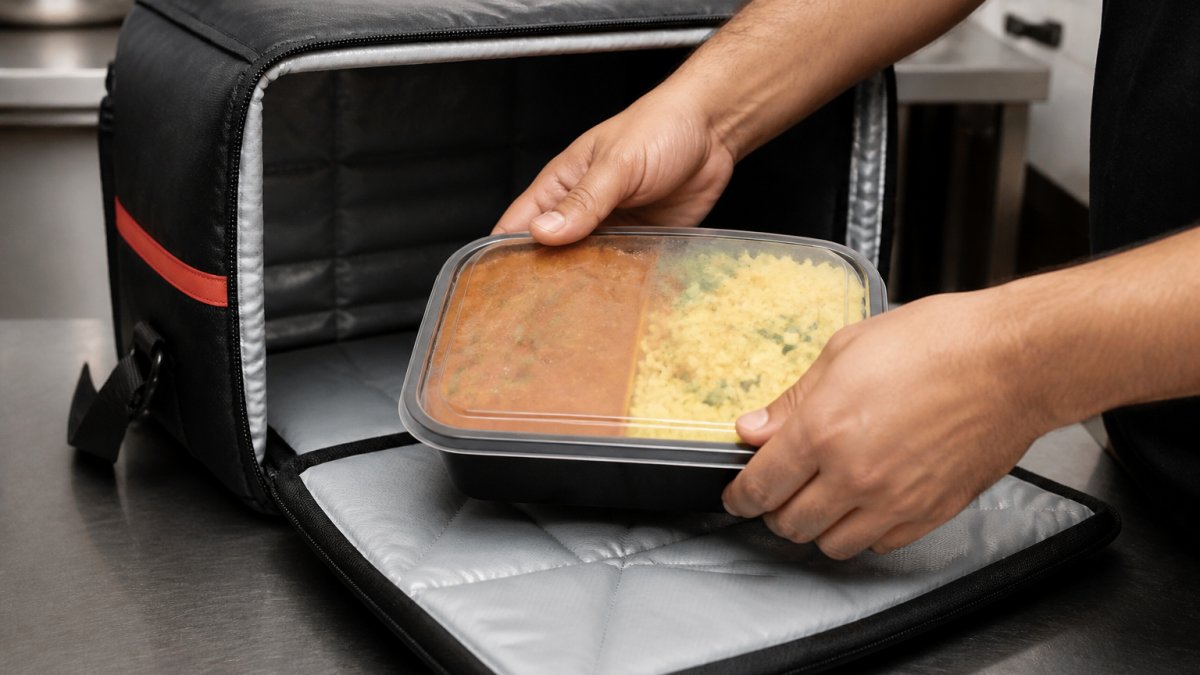
Temperature matters for food safety too. Hot food should stay above 63°C to prevent harmful bacteria growth. Most quality takeaways use thermal bags and time their cooking so food arrives hot. When you collect your order, ask how long it will take to cook, this tells you whether they're preparing fresh or reheating from a batch.
One common mistake is leaving takeaway in a cold car or on a cold doorstep. If your order arrives and you can't eat immediately, keep it in a warm place. An oven set to 50°C works well. Don't leave it at room temperature for more than two hours.
How to Stop Takeaway Food Going Soggy
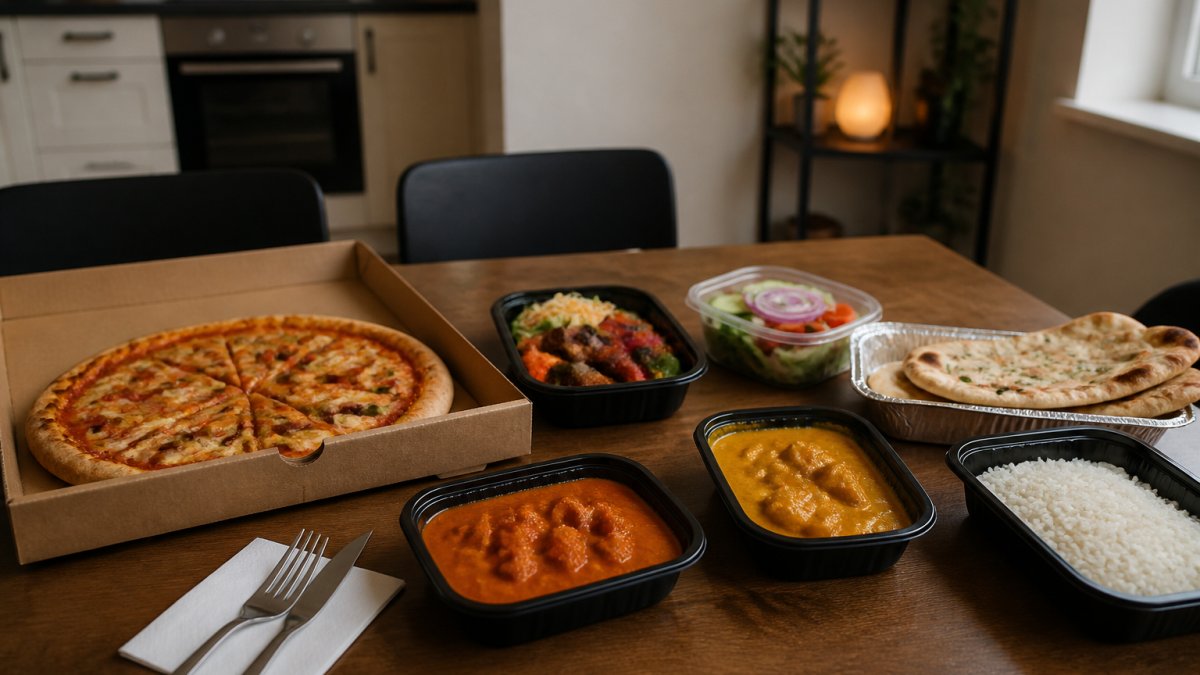
Soggy takeaway is usually caused by steam. When hot food sits in a sealed container, moisture rises and settles on the top, making pizza crust limp and naan bread damp.
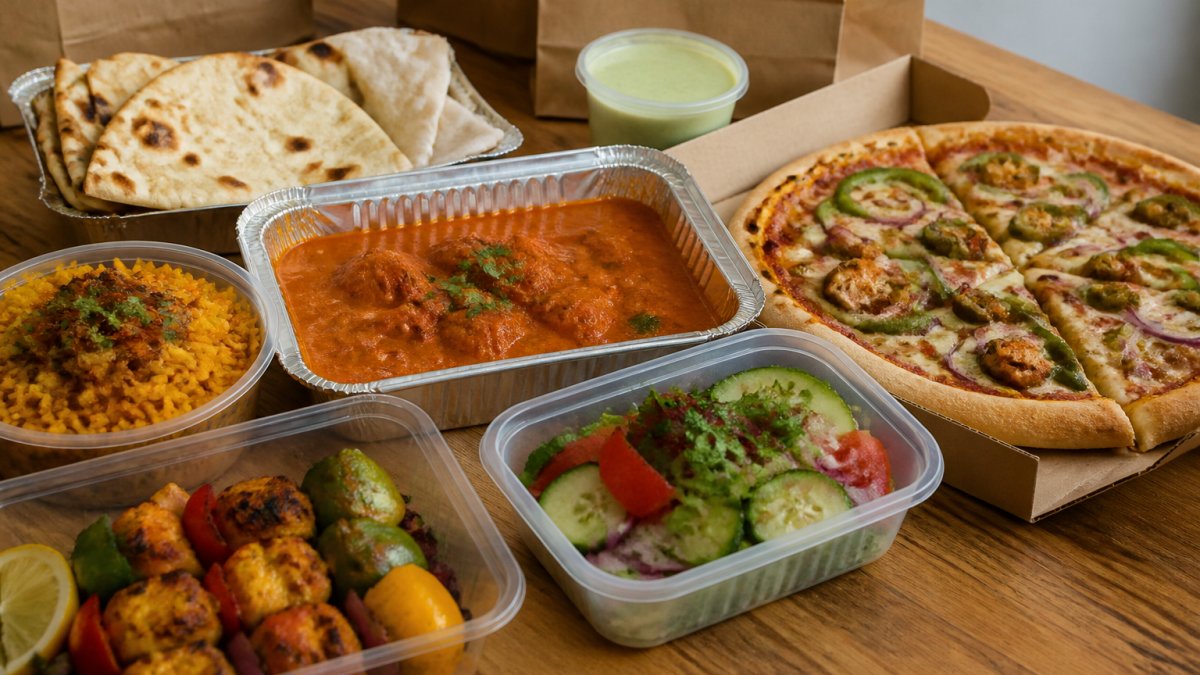
The best takeaways solve this by using containers that let steam escape slightly, or by separating wet and dry elements. Sauces go in separate containers. Bread stays separate from curries. This keeps everything at the right texture.
What causes sogginess:
- Sauce poured directly onto bread or rice
- Sealed containers trapping steam
- Food sitting for too long before eating
- Condensation from hot food meeting cold air
When you get home, open containers immediately. Let steam escape. If your takeaway came with sauce in a separate pot, don't add it until you're ready to eat. This simple step keeps pizza crispy and naan soft but not wet.
For curries and rice dishes, the same principle applies. Pour sauce over rice only when you're about to eat. Many people plate their takeaway straight from the container, which is fine, just don't let it sit closed for more than a few minutes after arriving.
If your takeaway does arrive soggy, you can sometimes salvage it. Crisp pizza in a hot oven for 2-3 minutes. Reheat naan in a dry pan for 30 seconds per side. Rice can go back in a pan with a tiny bit of oil to separate the grains.
Takeaway Food Safety and Storage at Home
Food safety rules for takeaway are the same as for any cooked food. Hot food should be eaten within two hours of cooking. Cold food should be eaten within four hours.
If you can't eat your takeaway straight away, refrigerate it within two hours. Most takeaway meals keep for three days in the fridge. Pizza, curries, and kebabs all store well if covered properly.
Safe storage steps:
- Let food cool to room temperature before refrigerating (don't put hot containers directly in the fridge)
- Use airtight containers or cover plates with cling film
- Label with the date
- Eat within three days
- Don't reheat more than once
Freezing works for most takeaway. Pizza, curry, and naan all freeze well for up to three months. Kebabs are best eaten fresh, but they'll freeze for a month. Let frozen food thaw in the fridge overnight before reheating.
The main food safety risk with takeaway is leaving it at room temperature too long. Bacteria grow quickly between 5°C and 63°C. This is why timing matters. If your order arrives and you won't eat for several hours, refrigerate it immediately.
One thing to watch: some takeaways use different food safety standards. Always check whether your order needs refrigerating straight away. If it's been sitting in a warm bag for a long time, treat it as if it's been at room temperature for that whole period.
How to Reheat Takeaway Food Without Losing Quality
Reheating is where many people lose the quality they paid for. The wrong method turns crispy pizza into rubber and dries out chicken tikka.
The best method depends on what you're reheating. Pizza goes in the oven. Curries go in a pan. Naan goes in a dry pan or under a grill. Kebabs need careful handling to stay moist.
Reheating methods by food type:
- Pizza: 180°C oven for 5 minutes (crispy base, warm topping)
- Curry: Medium heat in a pan with a splash of water, stirring often
- Naan: Dry pan on high heat, 30 seconds each side, or under the grill
- Kebab: Low heat in a pan, covered, for 3-4 minutes
- Rice: Microwave in a covered bowl with a tablespoon of water, or reheat in a pan
Never use a microwave for pizza, it makes the base soggy. Microwaves work fine for curry and rice if you add a splash of water and stir halfway through.
The key is low to medium heat and not rushing. Fast reheating dries food out. Slow reheating keeps moisture in. Cover food while reheating to trap steam, then uncover at the end to crisp the top if needed.
If your takeaway has been frozen, thaw it in the fridge overnight. Don't reheat from frozen, it heats unevenly and dries the outside while the inside stays cold.
Choosing a Takeaway That Prioritises Freshness
Not all takeaways approach freshness the same way. Some use batch cooking and heat-lamps. Others cook to order. The difference in quality is massive.
A takeaway that prioritises freshness cooks your order after you place it. This takes longer, usually 20-30 minutes, but it means your food is genuinely fresh. If a takeaway promises delivery in 10 minutes, they're reheating pre-made meals.
Look for these signs of a quality takeaway:
- They ask what time you want your order (so they can time the cooking)
- They use fresh ingredients visibly (handmade pizza dough, flame-grilled items, fresh herbs)
- They're willing to customise orders without complaint
- Their packaging protects food properly (insulated bags, separate containers for sauces)
- They have consistent five-star reviews mentioning freshness and temperature
- They use modern cooking methods (tandoor ovens, proper grills, quality equipment)
At Azaad Invergowrie Takeaway, we cook to order with fresh ingredients and proper technique. Real flame-grilled kebabs, daily-made pizza dough, and house-marinated chicken tikka all start fresh. We use a rotary tandoor for naan and Rational iCombi Pro technology for consistent results. This means your order arrives hot and fresh.
Ask your takeaway these questions before ordering:
- Do you cook to order or reheat?
- What equipment do you use?
- How long does cooking take?
- Do you use fresh ingredients?
The answers tell you whether they're serious about quality.
Common Mistakes That Ruin Takeaway Quality
Most people make the same mistakes that turn good takeaway into disappointing meals.
Opening containers too early. You've just got home and you're excited. Opening the bag immediately lets all the heat out. Wait two minutes. Let the food settle. Then open.
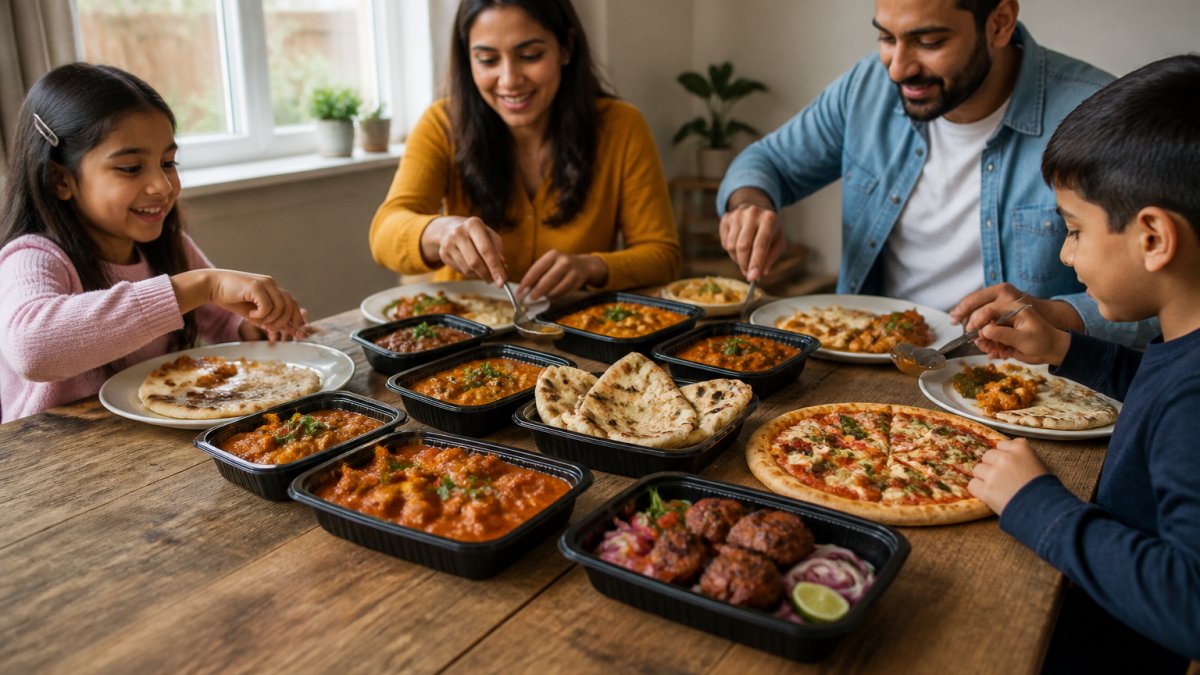
Mixing everything together. Pizza goes on a plate. Curry goes in a bowl. Kebab goes on a plate. Don't pile everything together in the container, you'll end up with soggy bread and mixed flavours. Plate it properly.
Reheating in the microwave. Microwaves make pizza rubbery, naan tough, and kebab dry. Use the oven or a pan. It takes five minutes and the difference is huge.
Leaving it to cool completely before eating. Takeaway is best eaten warm, not cold. Eat it within 20 minutes of arrival. If you wait an hour, the quality drops significantly.
Not checking the order immediately. Open your bag while you're still at the takeaway or within five minutes of getting home. If something's wrong, missing items, wrong order, cold food, you can fix it immediately. Waiting an hour means you're stuck with it.
Storing it wrong. Hot containers go straight to the fridge once cool. Covered plates prevent drying out. Labels with dates mean you know when to eat it. Sloppy storage ruins good food.
Ordering too much. Takeaway is best fresh. Order what you'll eat in one sitting. Leftovers are fine, but they're never as good as the first meal.
Getting fresh restaurant quality takeaway home in perfect condition comes down to three things: choosing a takeaway that cooks fresh, packing it properly, and eating it soon after arrival. At Azaad Invergowrie Takeaway, we handle the first part by cooking to order with fresh ingredients and proper technique. You handle the rest by getting your order home quickly and eating it warm. Order collection means your meal is fresh and hot when you walk out the door. Food Standards Agency guidance on safe food storage confirms that proper handling and storage keep takeaway safe and delicious. Start with quality ingredients and careful preparation, that's how fresh restaurant quality takeaway stays fresh.
Frequently Asked Questions
How can you tell if fresh restaurant quality takeaway has been properly prepared?
Freshly prepared takeaway should arrive hot (unless it's a cold dish), with aromatic steam still rising from the container. Check the texture: naan should be soft and pliable, not brittle; rice grains should be separate, not clumped; and curries should have a glossy, freshly cooked appearance. Ask the restaurant about preparation methods, places using rotary tandoors and flame grilling, or preparing dishes to order rather than batch-cooking, typically deliver superior quality. Inspect packaging for signs of care: secure, leak-proof containers suggest proper handling.
How long can takeaway food safely sit out before it needs refrigerating?
Most takeaway food should be eaten within 2 hours of collection if left at room temperature. This aligns with food safety guidance for cooked foods. If you're collecting takeaway and won't eat it immediately, place it in the fridge as soon as you arrive home. Hot foods cool faster in shallow containers. Never leave takeaway food in a warm car for extended periods, as bacteria multiply rapidly between 5°C and 63°C. When in doubt, refrigerate promptly to maintain both safety and quality.
What's the best way to reheat takeaway food without ruining its texture?
The reheating method depends on the dish. For curries and rice-based meals, use a low heat on the hob with a splash of water to restore moisture, stirring occasionally. Microwave works but can create hot spots; cover the container and use 50% power in short bursts. For naan and flatbreads, warm them briefly in a dry frying pan or directly over a gas flame. Kebabs are best eaten fresh, but if reheating, use a low oven (160°C) wrapped in foil for 10-15 minutes. Avoid high heat, which dries out food and damages delicate textures.
Why is takeaway food safety and storage important for maintaining freshness?
Proper storage prevents bacterial growth and preserves the flavour and texture that make restaurant-quality takeaway special. Bacteria multiply rapidly at room temperature, which not only spoils taste but creates food safety risks. Storing takeaway in airtight containers in the fridge slows spoilage and prevents flavour transfer to other foods. Most takeaway dishes keep safely for 3-4 days when refrigerated properly. Freezing extends this to 2-3 months for curries and rice, though some items like fried foods lose quality faster. Following these practices means you can enjoy your meal at its best whenever you choose to eat it.